
- - -
- hours mins seconds
to get your checks by
Thursday, Nov. 12th

 0
You have no items in your shopping cart.
Security Deposit Refund Checks: Timing, Itemizing and Delivery
Last updated: November 10, 2026
Of all the payments a landlord makes, this is the one most likely to end up in front of somebody else. It goes to a person who has just left, often after a disagreement about the condition of a carpet, and it carries a deadline that starts running the moment they hand back the keys.
Quick Summary
A security deposit refund check is a deadline payment with paperwork attached. The deadline, the itemized statement and the supporting documents are set by state law. Taking California as a worked example, the landlord must act no later than 21 calendar days after the tenant has vacated, and copies of documents showing the charges travel with the statement.
- The clock starts at move out, not at the end of the lease term.
- An itemized statement is required, showing what was received and how it was used.
- Your own labor needs describing, with time spent and a reasonable hourly rate.
- Third party work needs the paperwork, plus contact details where the bill lacks them.
- Small deductions can be exempt from the documentation rule, but not from the statement.
- Delivery is prescribed, including a check payable to the tenant sent first class.
Here is what goes in the envelope, and why each part is there.
| What you send | What it has to show | Common mistake |
|---|---|---|
| The refund check | The balance after deductions, payable to the tenant | Splitting it between co-tenants without being asked |
| The itemized statement | The deposit received and how it was disposed of | A single line saying cleaning and repairs |
| Invoices and receipts | Who did the work and what it cost | Sending a total with no supporting document |
| Your own labor record | The work, the time and the hourly rate | Charging a round figure with no basis |
This is background rather than advice. Deposit rules come from your own state, and often from your city as well, so the statute that applies to your property and your attorney are the authorities to rely on.
On the payment itself, business checks can carry a stub that records the deductions, which is the summary a former tenant reads first.
What this guide covers
- How quickly must the refund go out?
- What has to be in the itemized statement?
- What documents travel with it?
- Who should the check be payable to?
- How may it be delivered?
- What if it is never cashed?
- What stops a refund turning into a dispute?
How quickly must the refund go out?
Sooner than most landlords plan for, and the count usually starts at move out rather than at the end of the lease. California requires the landlord to act no later than 21 calendar days after the tenant has vacated the premises, which leaves very little room once a contractor has to be booked.
Treat that figure as an illustration. Deadlines, notice rules and penalties differ by state, and some cities add their own, so the number that matters is the one in your statute.
How do you actually hit the deadline?
- Inspect on the day of handover, with photographs taken then.
- Order any work in the first week, not after the invoice chase begins.
- Set an internal deadline earlier than the legal one, by about a week.
- Issue the payment even if one invoice is late, and deduct only what you can evidence.
- Keep proof of what you sent and when, which is what the deadline is judged on.
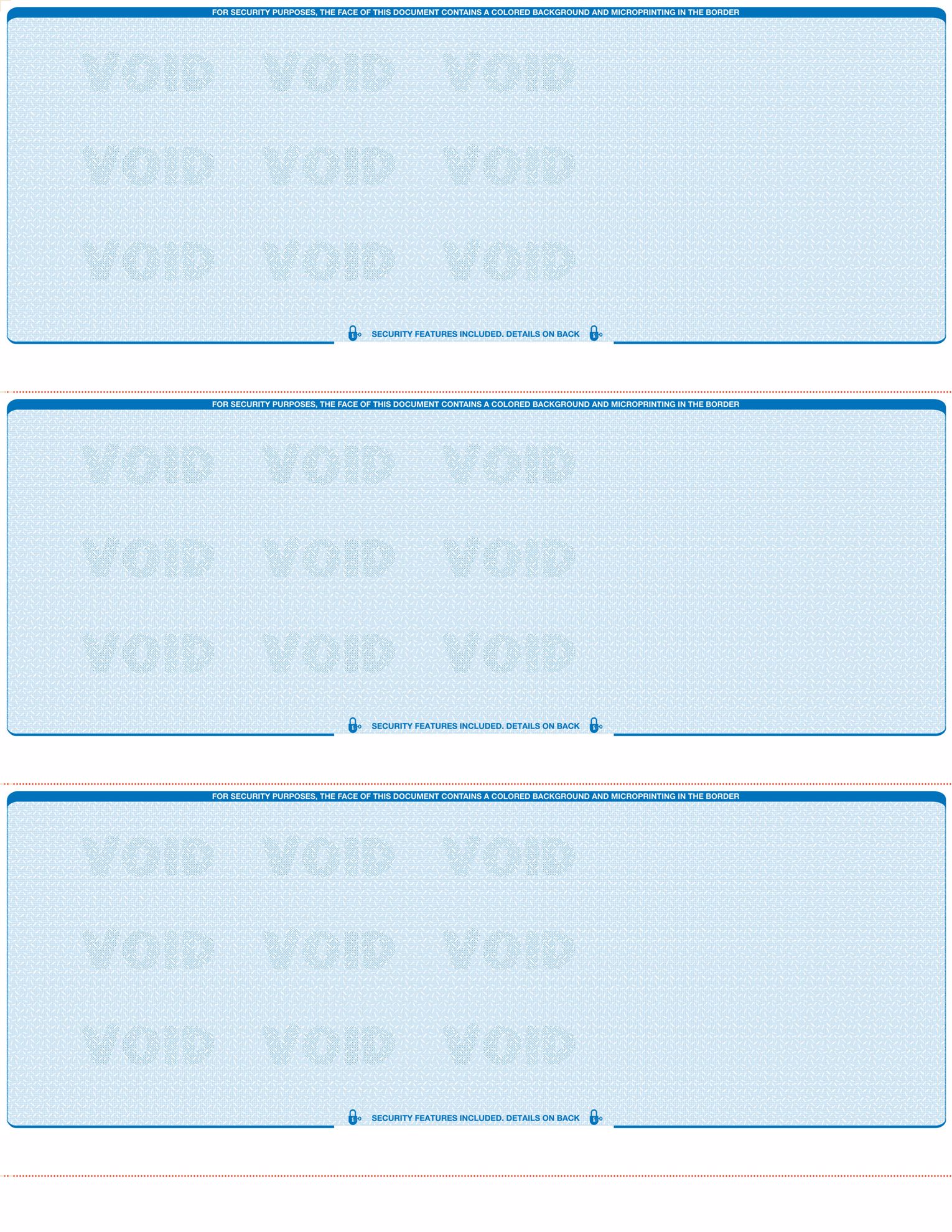
Several refunds in one sitting go faster on three per page stock. See blank checks three per page for that format.
What has to be in the itemized statement?
The basis for and the amount of any security received, and how that security was disposed of, with any remaining balance returned. In other words, the tenant should be able to read the deposit down to zero without asking a question.
- The deposit as received, stated as a figure rather than implied.
- Each deduction on its own line, with what it was for.
- The arithmetic, so the balance follows from the lines above it.
- The balance returned, matching the check to the cent.
Write it for someone who is already annoyed. A statement that explains itself prevents most disputes, and a vague one creates them even where every deduction was fair.
What documents travel with it?
Copies of the documents showing the charges, and California sets out what that means for each kind of cost. The level of detail is higher than most landlords expect.
- Work you did yourself: describe the work, the time spent and the reasonable hourly rate.
- Work by someone else: a copy of the bill, invoice or receipt, and where it does not show the provider's name, address and telephone number, add them.
- Materials: a bill, invoice or receipt, and for items bought regularly a vendor price list may be enough.
- Repair or cleaning deductions: the photographs taken under the statute, with a written explanation of the cost.
Is there an exemption for small amounts?
There is. Where total repair and cleaning deductions are 125 dollars or less, those documentation rules do not apply, unless the tenant requests the documentation within 14 days of receiving the statement. The statement itself is still required either way.
Who should the check be payable to?
The tenant, named as the lease names them. The question gets interesting when several people signed, and the safe answer is usually one check naming all of them rather than separate payments split by guesswork.
- One item naming every tenant keeps you out of their internal argument.
- Split only on written instruction signed by all of them.
- Use the names on the lease, not nicknames from the tenancy file.
- Keep the instruction with the statement copy in the property file.
Our guide to how to write a business check by hand covers getting the payee line right, which is where this one goes wrong.
How may it be delivered?
By personal delivery, or by a check payable to the tenant sent by first-class mail with postage prepaid. Where rent or the deposit was paid electronically, California sends the refund electronically to an account the tenant designates, unless the parties agree otherwise in writing.
The statement follows slightly different rules. It may go by personal delivery or first-class mail, or by email where both parties have agreed to that.
Address it to what you were given. Mailings go to the address the tenant provided, and where none was given, to the unit that was vacated.
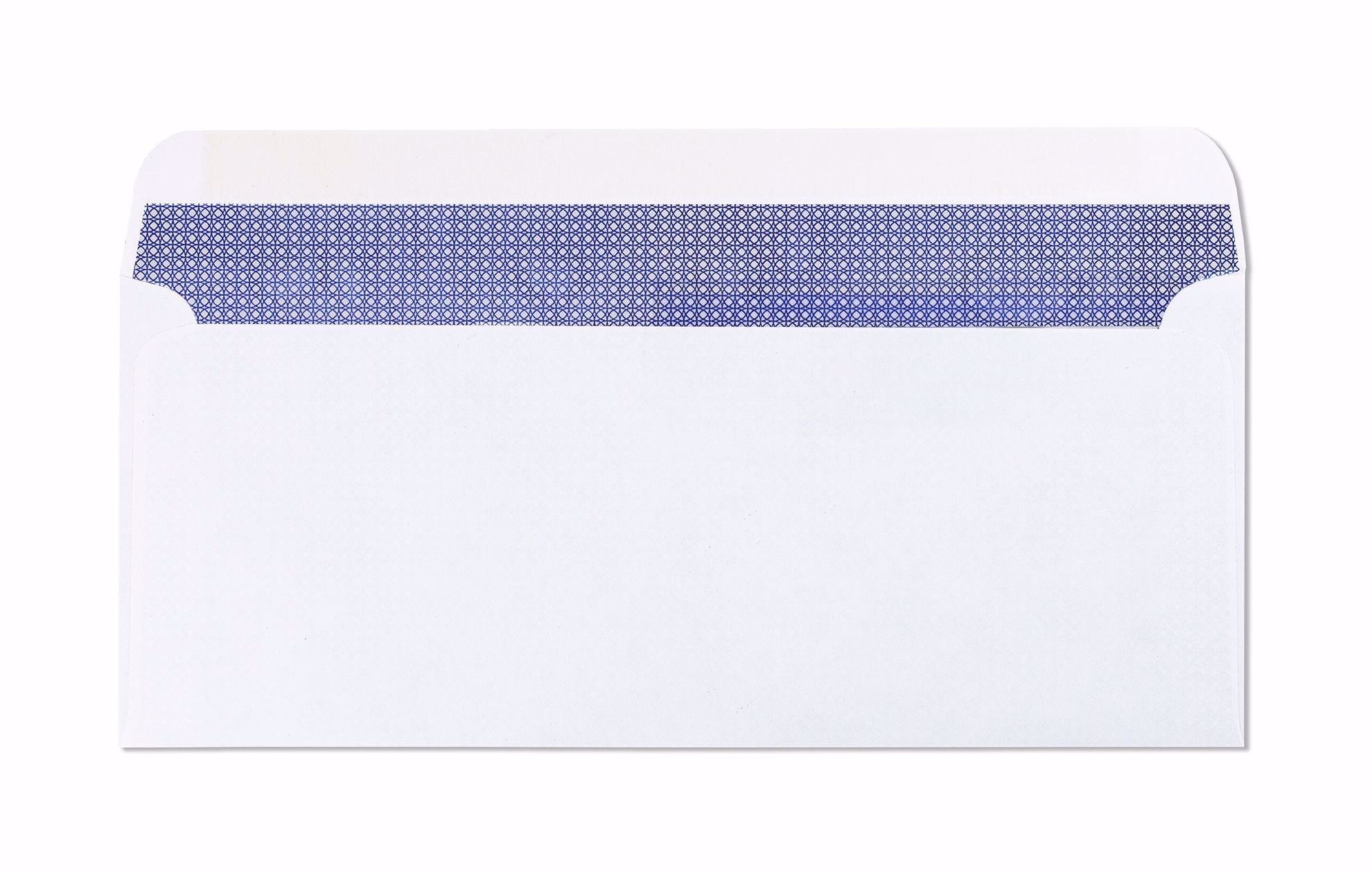
See double window envelopes for mailing the check and the statement together.
What if it is never cashed?
It stays the former tenant's money. People move twice in a year and forget a small refund, and the temptation to write the balance back after a while is exactly what unclaimed property law exists to prevent.
- Keep it on an outstanding list with the age showing.
- Try the forwarding address again after a few months.
- Reissue where the tenant never received it, with a stop on the first item.
- Follow your state's holder process for anything that stays unclaimed.
- Never take it to income, whatever the amount.
Our guides to the check register and how long a business check is good for cover the outstanding list and the stale item question behind it.
What stops a refund turning into a dispute?
Evidence gathered at the start rather than assembled at the end. Almost every deposit argument comes down to the same disagreement about what the place looked like on day one, and the landlord who can answer that in pictures rarely has the argument at all.
| When | What to capture | Why it helps later |
|---|---|---|
| Move in | Dated photographs and a signed condition list | Sets the baseline both sides agreed |
| During the tenancy | Repair requests and what was done | Separates wear from damage |
| Move out | Photographs taken the same day, plus meter readings | Fixes the condition at handover |
| Before issuing | Invoices matched to the lines you are deducting | Makes the statement self explanatory |
Deduct only what you can show. A landlord who drops a questionable line rather than defending it usually keeps the goodwill and avoids a claim that would cost more than the item.
What if the tenant disputes the statement?
Answer in writing, within a few days, and attach whatever you did not send the first time. Most disputes at this stage are about feeling unheard rather than about the amount, and a calm reply with the invoice attached settles a surprising number of them before anyone mentions a court.
Related reading
- Check register covers tracking refunds that have not been presented.
- Check signing policy covers who approves a refund in a managed portfolio.
- Check washing covers protecting a mailed payment.
- How to write a business check by hand covers naming joint tenants correctly.
What to do next
Look up your own state's deadline and write it on the move out checklist, then set your internal target a week earlier. Most late refunds are not disputes, they are a contractor invoice that arrived on day nineteen.
Then set the stock up for the volume you handle. Business checks are printed with the stub space a deduction summary needs, and double window envelopes keep the mailing simple.
About the Author
Managers of rented property order from us steadily, and the request attached to those orders never varies: more room on the stub. They have learned that a refund which explains itself is the one that does not come back as a phone call or a claim.
Deadlines, statements, documentation and delivery above are taken from California's security deposit statute. It appears here only as a worked example, since every state writes its own version. Yours, and sometimes your city, decides what you have to do.