- - -
- hours mins seconds
to get your checks by
Monday, Nov. 23rd

 0
You have no items in your shopping cart.
Rent Checks: Receipts, Bounced Payments and Partial Rent
Last updated: November 20, 2026
Collecting a rent check looks like the simplest part of being a landlord. Then a tenant asks for a receipt, or hands over half the rent, or a check comes back, and suddenly there are rules nobody mentioned at the start.
Quick Summary
A landlord can usually choose which payment methods to accept, with limits. Several states require at least one non electronic option, some require a written receipt, and in several, accepting a partial payment can undo an eviction unless you say otherwise in writing. Handing over a check puts the rent on hold rather than settling it.
- Electronic only is not allowed everywhere, and two large states prohibit it.
- Receipt duties exist in several states, and the required contents vary.
- Rent is not paid until the check is, which is a legal rule and not a habit.
- A dishonored check fee needs a written agreement behind it in some states.
- Partial rent can waive an eviction unless the statute's reservation route is followed.
- Cash rent brings record keeping duties that a check does not.
The payment method rules differ more than most landlords realize.
| State | What the rule does |
|---|---|
| California | Requires at least one method that is neither cash nor electronic transfer |
| New York | Bars making an electronic system the only way to pay rent |
| Texas | Requires a landlord to accept timely cash rent unless the lease says otherwise |
| Washington | Allows a landlord to refuse cash, with receipt duties attached if accepted |
This is general information for landlords, not legal advice. Landlord and tenant law is state law and often city law as well, and it changes frequently, so your own statute, your local rules and your attorney decide what applies to you.
On the record keeping side, business checks and a proper register are what turn rent collection into something you can evidence months later.
What this guide covers
- Can a landlord refuse a check for rent?
- Can you require online payment only?
- Do you have to give a rent receipt?
- What must the receipt show?
- When is rent actually paid?
- What do you do when a rent check bounces?
- Does accepting partial rent waive an eviction?
Can a landlord refuse a check for rent?
Usually yes, provided the lease sets out the accepted methods and the state allows the exclusion. The lease is the starting point, and a lease that says nothing about method leaves you arguing about what was customary.
Cash is the method states regulate most. Texas requires that a landlord shall accept a tenant's timely cash rental payment, unless a written lease requires a traceable instrument instead. Washington takes the opposite approach, allowing a landlord to refuse to accept cash.
Write the accepted methods into the lease. One clause naming what you accept, where it is delivered and what counts as timely prevents most of the arguments in this whole article.
Can you demand cash after a check bounces?
In some states, temporarily, and with conditions. California allows a landlord to demand cash after a tenant's check is dishonored for insufficient funds or a stop payment, for a period not exceeding three months, with written notice and a copy of the dishonored instrument attached.
Can you require online payment only?
Not in every state, and two of the largest say no outright. California requires a landlord to allow at least one form of payment that is neither cash nor electronic funds transfer, which rules out an app only policy.
New York goes further on the detail. A landlord shall not require a lessee or tenant to use an electronic billing or payment system as the only method for the payment of rent, and shall not impose any fee or other charge for declining to use it.
Keep a paper route open whatever your state says. Tenants without smartphones, older tenants and tenants between bank accounts all exist, and a policy that excludes them creates problems well beyond the statute.
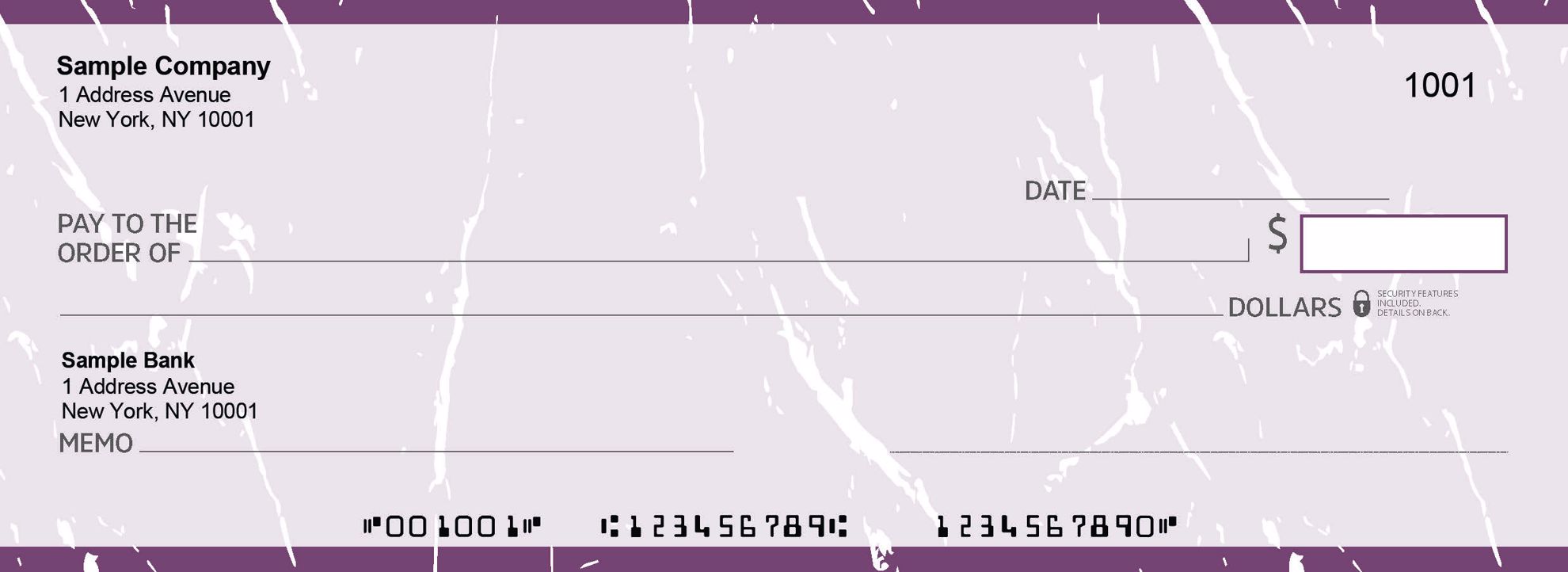
Small landlords tend to write property payments on the move. See manual business pocket checks for that format.
Do you have to give a rent receipt?
In several states, yes, and the trigger is often the payment method rather than the tenant's request. New York requires a landlord receiving rent in cash, or in any form other than the tenant's personal check, to provide the lessee with a written receipt. For a personal check, the duty arises when the tenant asks in writing.
Washington requires a receipt for any payment made by a tenant in the form of cash, and requires a written receipt for any other payment upon the request of a tenant.
Texas attaches a record duty to cash as well. A landlord accepting cash rent must enter the payment date and amount in a record book maintained by the landlord.
- Issue a receipt for every cash payment, without being asked.
- Issue one on request for other methods, and keep a copy.
- Keep the cash record in one book, not on loose notes.
- Send the receipt promptly where the payment was not made in person.
What must the receipt show?
New York sets out the fullest list, and it is a sensible template even where your state is silent. The receipt must include the identity of the premises and period for which paid, alongside the date, the amount, and the signature and title of the person receiving the rent.
Timing and retention are specified too. Where rent is not paid in person, a lessee shall be provided with a receipt within fifteen days. A landlord receiving cash shall maintain a record of all cash receipts for rent, for at least three years.
| Field | Why it is there |
|---|---|
| The premises | Ties the payment to one unit, not one person |
| The period covered | Prevents a dispute about which month was paid |
| Date and amount | The basic record of what was received and when |
| Who received it | Matters where an agent or a relative collects |
Use the same template for every tenant. A receipt that only appears when somebody complains is worth very little as evidence.
When is rent actually paid?
Not when the check is handed over. Under the commercial code, taking an ordinary check puts the rent obligation on hold rather than ending it. The hold lasts until the item is either dishonored or honored, and only then does the position settle.
So a tenant who hands over a check on the first has not discharged the rent. They have suspended it. If the check is paid, the rent is settled. If it is dishonored, the original obligation revives and you can sue on either the check or the rent.
There is a tax angle that runs the other way. Federal guidance says landlords on the cash method count their rental income as income when they actually or constructively receive it, which is why the date a payment arrives matters as much as the date it clears.
What if you never cash a rent check?
The obligation stays suspended, which is an uncomfortable place to leave it. There is also an outer limit on the paper. A bank is under no obligation to pay a check presented more than six months after its date.
If you are holding a check deliberately, write down why. A landlord who sits on a payment and then claims the rent was never paid is in a weak position, and the tenant's canceled copy will say so.
Can a tenant stop payment on a rent check?
Yes, if the bank gets the order in time to act on it. The code allows a customer to stop payment of any item drawn on the customer's account. An oral order lapses after fourteen calendar days unless confirmed in a record, and a recorded order lasts six months and can be renewed.
What do you do when a rent check bounces?
Treat it as unpaid rent from the original due date, and follow your state's notice procedure rather than inventing one. The rent was never discharged, so the lateness runs from when it was due.
- Keep the returned item and the bank notice, both of them.
- Tell the tenant in writing, stating the amount still owed.
- Charge only the fee your agreement allows, and nothing more.
- Serve the notice your state requires if it stays unpaid.
- Record it against the unit, so the history is on one file.
What can you charge for a bounced rent check?
Whatever your state permits and your agreement states, and the two conditions are cumulative. Oregon requires that a fee must be described in a written rental agreement, and allows the statutory amount plus any amount that a bank has charged the landlord.
The statutory figure in Oregon is a fee not to exceed 35 dollars. Other states set different caps, and some set none, so the number is worth looking up rather than copying from a template lease.
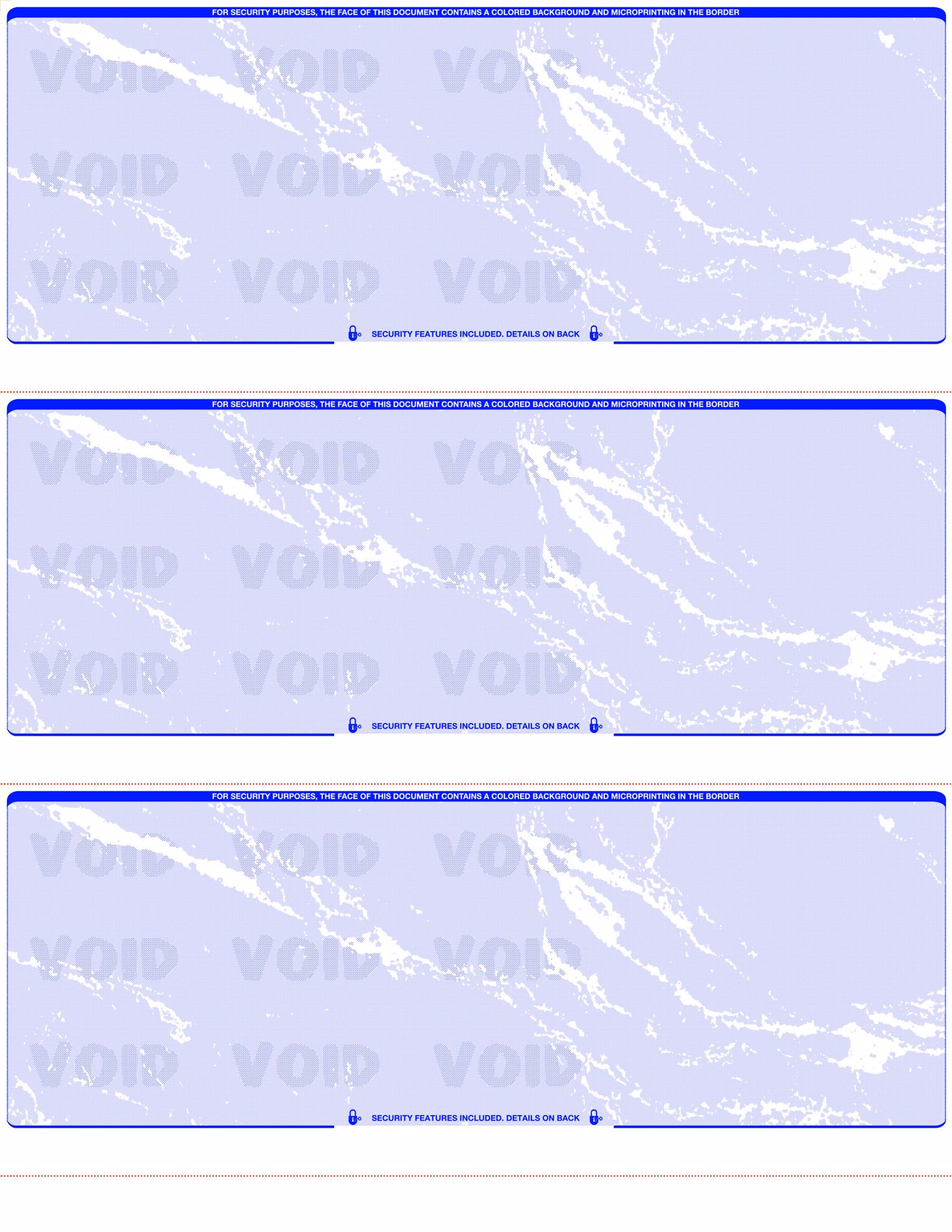
Landlords tend to write several payments at once. See blank checks three per page for that format.
Does accepting partial rent waive an eviction?
It can, and this is the trap that costs landlords the most. In several states, taking a partial payment while a nonpayment case is running is treated as accepting that the tenancy continues, and that alone can undo the proceeding.
Virginia provides a route through it. A landlord can accept a payment on the basis that it is accepted with reservation and would not constitute a waiver, provided written notice is given, and the statutory wording includes a warning that the payment will not prevent your landlord from taking action to evict you.
- Check your own state before accepting anything while a case is live.
- Use the statutory notice wording where your state provides one.
- Give the notice in writing, and keep proof it was delivered.
- Know what full payment does, because it often ends the case outright.
- Take advice before a hearing, rather than afterwards.
Never accept a partial payment on a handshake during a nonpayment case. The sympathetic decision made at the door is the one that gets the case dismissed.
Is a bounced rent check late rent or unpaid rent?
Unpaid, and that distinction matters for your notice. Because the obligation was only suspended, a dishonored check leaves the rent outstanding from the original due date rather than from the day the item came back.
Say that clearly in your written notice. A tenant who thinks the clock restarted will argue about the dates, and the law is on your side here if your paperwork is.
Keep the dishonored item with the file for that unit. A returned rent check is the one document that proves the payment never completed, and it is the first thing a court will want to see.
Related reading
- Check register covers the record a property owner needs at year end.
- How long is a business check good for covers a payment held uncashed.
- How to endorse a check covers depositing rent received by check.
- Deposit stamp for checks covers restricting rent payments before deposit.
What to do next
Read the payment clause in your own lease and check three things: which methods you accept, whether your state forces you to keep a non electronic one open, and what fee you are allowed to charge on a returned payment. Most template leases are wrong on at least one of those.
Then set the record keeping up properly. Business checks carry the stub space a property reference needs, and blank check stock suits a landlord printing from property management software.
About the Author
Property owners order from us in volume at two points in the year, when tenancies turn over and when the tax return is being prepared. The second one tells you what the first one was missing. A stub with the unit number printed beside the payment is the whole difference between those two conversations.
The payment method, receipt, dishonored check and partial payment points above are drawn from the commercial code and from the statutes of California, New York, Texas, Washington, Oregon and Virginia. They are illustrations only. Your own state, and often your city, decides what you have to do.