- - -
- hours mins seconds
to get your checks by
Tomorrow, Nov. 12th

 0
You have no items in your shopping cart.
Cashier's Check vs Business Check: What the Difference Buys You
Last updated: November 11, 2026
Somebody has asked you for guaranteed funds, or you have been handed a bank issued check and are wondering whether to trust it. Both questions have the same answer underneath, and it is not about the paper. It is about whose promise the document carries.
Quick Summary
Cashier's check vs business check is a question about the obligor. Your business check carries your obligation. A cashier's check carries the issuing bank's, and the Uniform Commercial Code gives that bank a name, the obligated bank, along with consequences for refusing to pay. The practical differences follow from that one distinction.
- A business check is your promise, payable from your account.
- A bank issued item is the bank's promise, which is why sellers ask for one.
- Acceptance by a bank discharges the drawer, which is the real transfer of risk.
- Wrongful refusal has consequences, including expenses and loss of interest.
- Four listed reasons cut that off, including reasonable doubt about entitlement.
- Availability differs by rule, not by how official the item looks.
Here are the four instruments a business actually chooses between.
| Instrument | Whose obligation | Where it fits |
|---|---|---|
| Business check | Yours, from your account | Routine supplier and payroll payments |
| Certified check | The accepting bank's | Your own check, with the bank standing behind it |
| Cashier's check | The issuing bank's | Closings and releases where certainty is required |
| Money order | The issuer's | Small payments, often with no bank account involved |
What follows is background on payment instruments, not advice. Your position is set by the agreement your bank asked you to sign and by your state's version of the commercial code, so confirm both with your bank and your attorney.
For everything that does not need a bank's promise, business checks remain the cheaper and more flexible option.
What this guide covers
- What is the real difference?
- What is the guarantee actually worth?
- Can a bank refuse to pay one?
- How quickly do the funds arrive?
- Why do fraudsters prefer bank issued items?
- Which should you use and when?
- What should you check on one you receive?
What is the real difference?
The identity of the party who has to pay. A business check is your instruction to your bank, drawn on your balance, and your obligation stands behind it. A cashier's check is issued by the bank in its own name, so the bank is the one on the hook.
The Uniform Commercial Code groups these together under a single term. The obligated bank is the acceptor of a certified check, or the issuer of a cashier's check or teller's check bought from the issuer.
Where does a certified check sit?
In between. A certified check starts as your own check and becomes the bank's obligation when the bank accepts it. The document still shows your account and your signature, and the certification is what changes who the holder is relying on.
What is the guarantee actually worth?
It is worth the removal of your own obligation. Under the code, acceptance by a bank discharges the drawer, and it does so no matter when the acceptance happened or who arranged it.
That is the whole transaction in one line. A seller who insists on a bank issued item is not being difficult about paperwork. They are moving the risk of your payment failing away from themselves and onto a bank.
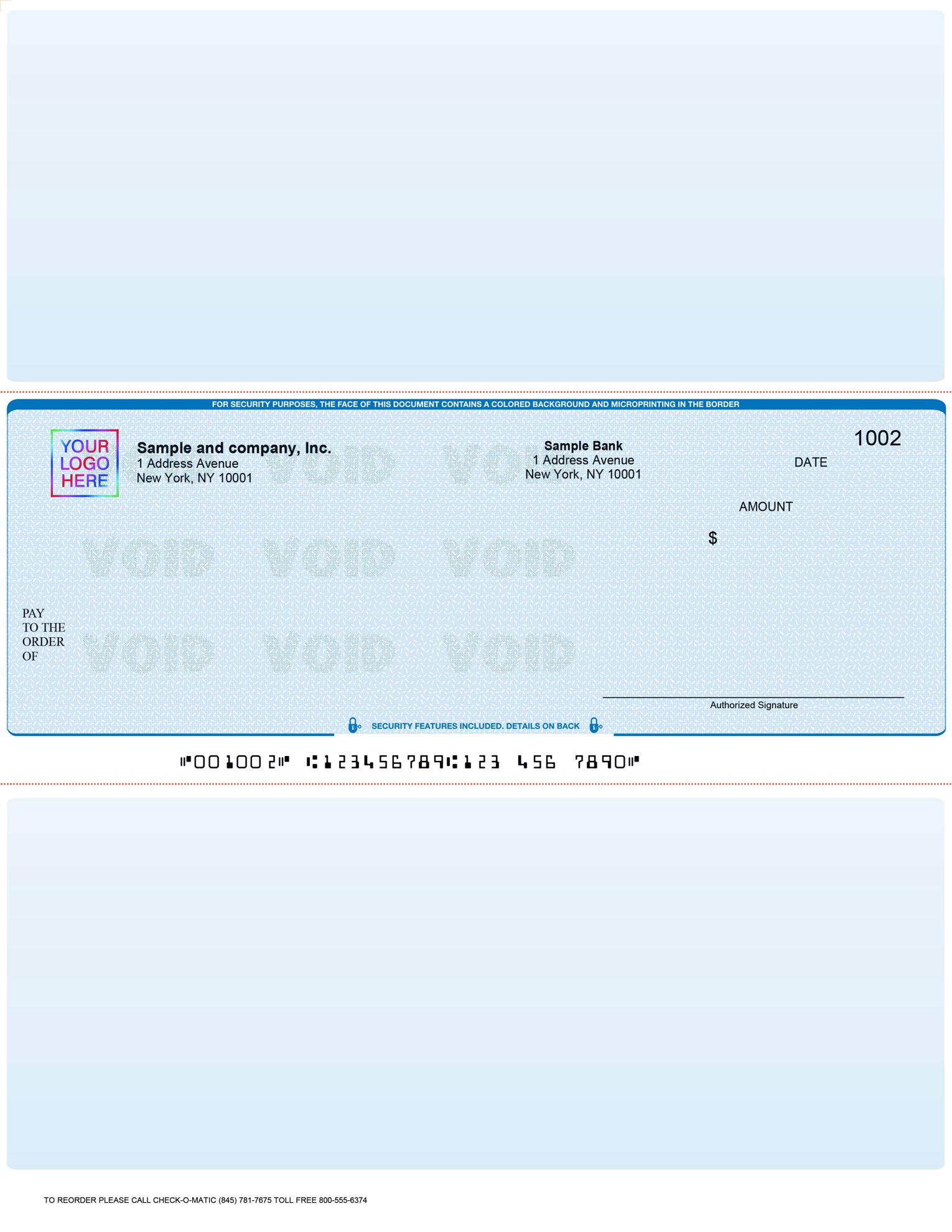
For everyday payments the ordinary format still does the most work. See business checks in the middle for that layout.
Can a bank refuse to pay one?
Yes, and the code sets out what follows. Where the obligated bank wrongfully refuses to pay a cashier's or certified check, stops payment on a teller's check, or refuses to pay a dishonored teller's check, the person entitled to enforce may recover expenses and loss of interest resulting from the nonpayment.
Consequential damages are available too, but only on a condition. They run where the bank refused after being notified of the particular circumstances giving rise to them, which is a reason to explain the deadline you are working to rather than simply presenting the item.
When does that liability fall away?
- The bank suspends payments, which is outside anyone's control.
- It asserts a claim or defense it has reasonable grounds to believe it has against you.
- It has reasonable doubt whether the person demanding payment is entitled to enforce.
- Payment is prohibited by law, which covers orders and sanctions.
Note the third one. A bank that is unsure whether the person at the counter is the rightful holder is entitled to pause, which is exactly what happens when a counterfeit cashier's check turns up.
How quickly do the funds arrive?
Faster than an ordinary check, and a rule decides it rather than the bank. Federal availability requirements name a specific group of deposits that must be available the next business day. Bank issued items are in that group, alongside government issued checks, postal money orders, items drawn on the same bank's branch and a capped amount per banking day.
One qualification is worth planning around. Where the deposit is not handed to someone at the bank, parts of that group shift to the following business day instead.
An ordinary business check is not on that list, which is the entire reason a counterparty with a same day deadline asks for something else.
Why do fraudsters prefer bank issued items?
Because the trust is built in, and because availability is quick. A counterfeit cashier's check buys a window between the money appearing in an account and the forgery being discovered, and that window is the whole scheme.
- Treat availability as separate from payment, because funds showing is not the item clearing.
- Call the issuing bank on a number you looked up, never the one printed on the item.
- Be slower with anything unsolicited, particularly an overpayment with a refund request.
- Do not release goods against availability alone where the amount matters.
- Keep the item and the envelope if something looks wrong.
Our guide to check washing covers the related attack on ordinary items in the mail.
Which should you use and when?
Default to your own stock and step up only where the counterparty genuinely needs certainty on the day. Paying for a guarantee you do not need costs money and removes the stop payment right you might later want.
- Supplier invoices and payroll: your own business check.
- A closing or a release of goods: a bank issued item.
- A first payment to an unknown party: your own check, which keeps a route back.
- A small payment from someone without an account: a money order is fine.
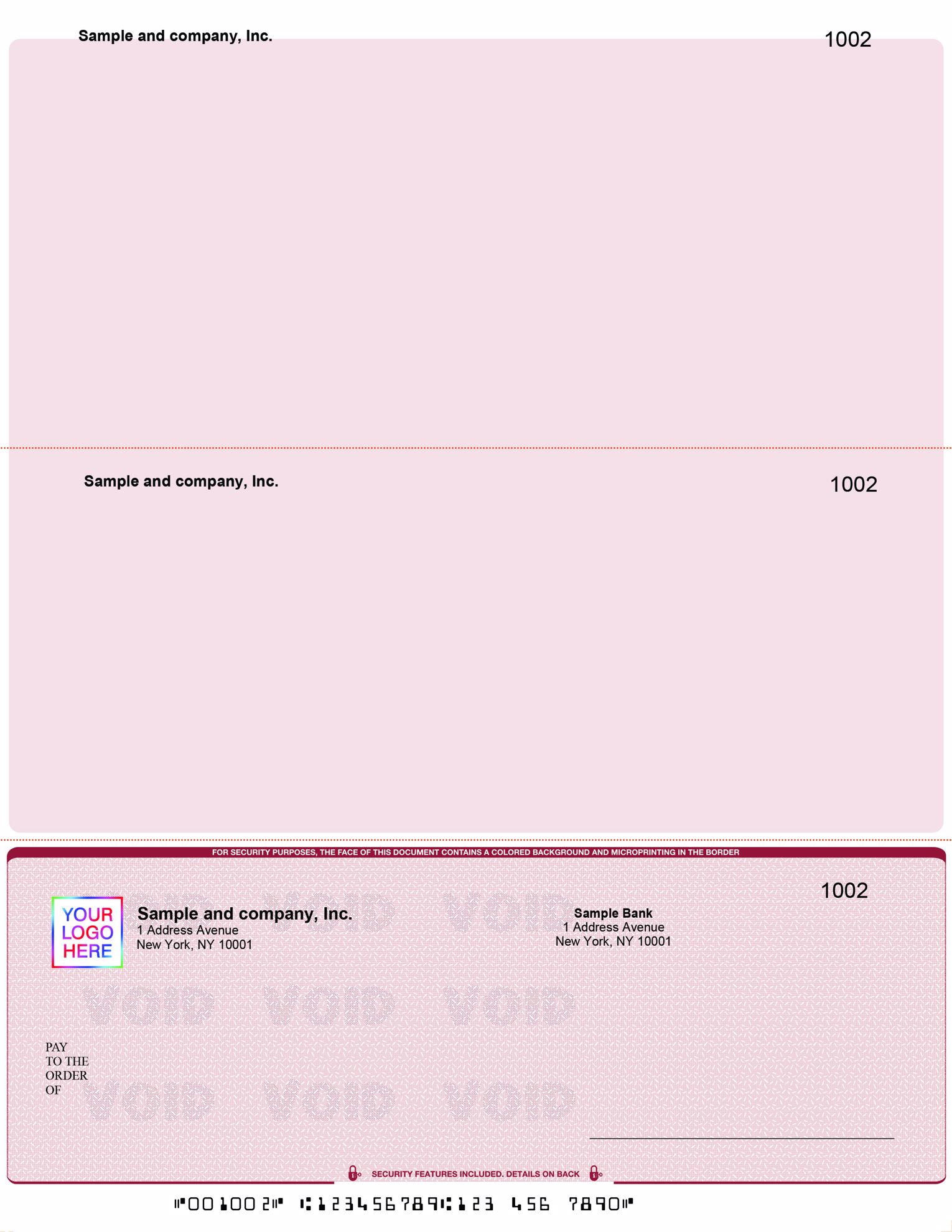
See business checks on the bottom for the everyday format.
What should you check on one you receive?
More than most people do, and none of it takes long. A bank issued item carries an air of authority that discourages questions, which is precisely why it is worth a minute of attention before anything is released.
| What to look at | What you are checking for |
|---|---|
| The issuing bank's name | That the institution exists and is reachable independently |
| The telephone number printed on it | That you are not calling a number the sender chose |
| The payee line | Your registered name, spelled as you are registered |
| The amount against the deal | An overpayment is the oldest signal there is |
| The reason for the hurry | Pressure to release today is the scheme, not the deal |
Why does an overpayment matter so much?
Because the refund is the point. A counterfeit item arrives for more than the agreed amount, the sender apologizes and asks for the difference back by a faster method, and the refund goes out before the original is discovered. The money you send is real and the money you banked is not.
Never refund an overpayment quickly. Return the item and ask for a correct one, which costs the honest counterparty nothing and ends the other conversation immediately.
How long should you wait before releasing goods?
Long enough for the issuing bank to have paid, which is not the same as the funds appearing in your balance. Availability rules decide when you may draw on a deposit. They do not promise that the item behind it was genuine, and a forgery can surface well after the money looked settled.
Where the amount is large enough to matter, say so plainly to the buyer and agree a release date in writing. Honest counterparties accept that without complaint, because they have usually been asked the same thing themselves.
Related reading
- How long is a business check good for covers an item that sits uncashed.
- Check washing covers protecting a payment in the mail.
- High security business checks covers the stock used where amounts are large.
- Check register covers recording whichever instrument you used.
What to do next
Look at the last few times your business paid for a bank issued item and ask whether the counterparty actually needed one. In most cases the request came from habit rather than from a real same day deadline, and your own check would have done the job with more protection for you.
Then check that your own stock suits the payments you make. Business checks follow the layout and number series you specify, and high security business checks are built for the larger ones.
About the Author
This comparison reaches us most often in the week before a closing or a large equipment purchase. The answer is usually simpler than the caller fears. One payment in the year genuinely needs a bank's promise behind it. The other three hundred do not.
Points above about the obligated bank, discharge and refusal to pay come from the commercial code provisions on negotiable instruments. The timing points come from the federal funds availability regulation. Your own position depends on your state's enactment and your bank's agreement.